Arènes de Lutèce
1st-century Roman amphitheater preserved in the Latin Quarter seating 15,000 spectators
Constructed in the 1st century AD during the Gallo-Roman era when Paris was known as Lutèce (Lutetia). Unearthed in 1869 during road excavations and saved from destruction by a public petition led by author Victor Hugo.
The ancient Roman bedrock of Paris, where gladiators fought and theatrical tragedies echoed two thousand years before the modern metropolis arose.
Subterranean gladiator cages (carceres) were believed to connect via secret underground passages to ancient Roman villas on the Montagne Sainte-Geneviève.
Nearby Sacred Topography Nodes (Paris)
View All 50 →Grande Mosquée de Paris
Hispano-Moresque oasis with 33-meter minaret, cedar mosaics, and WWII resistance haven
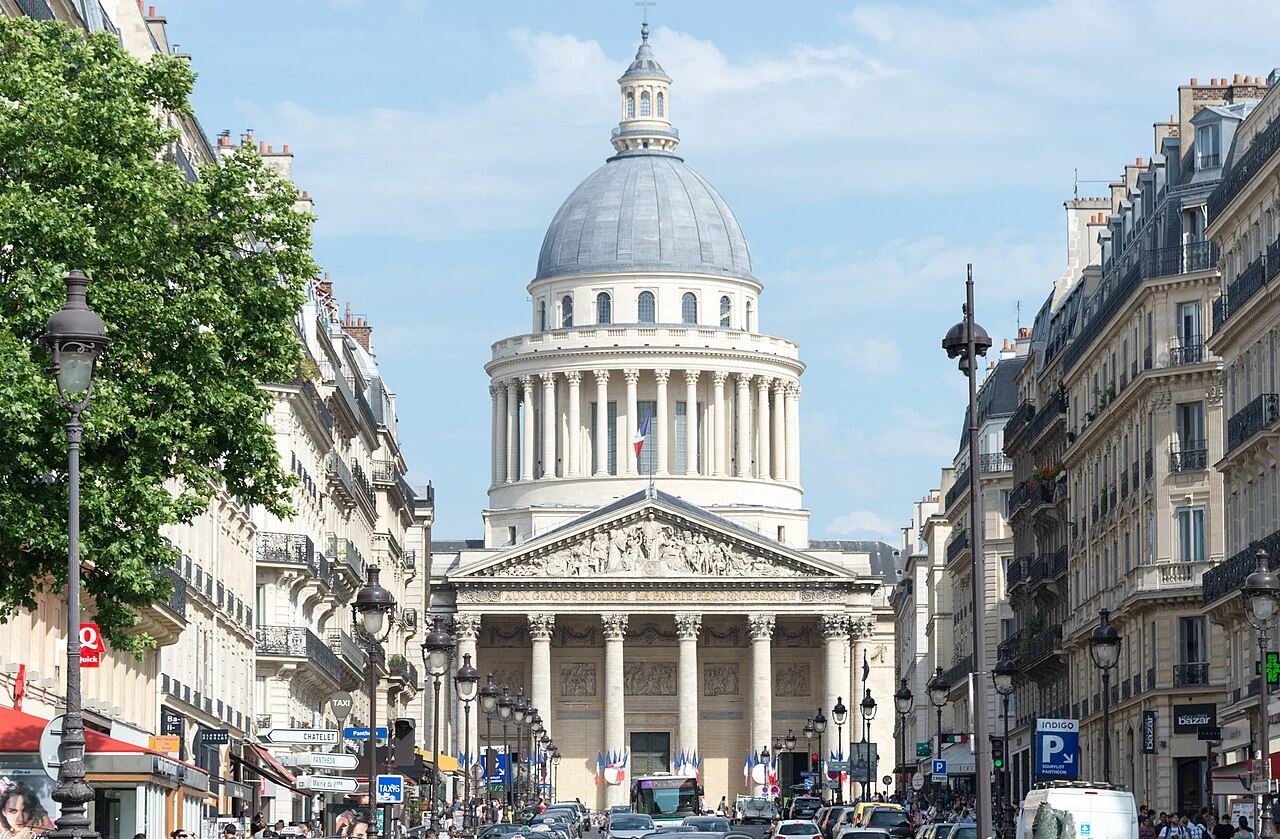
Panthéon de Paris
Neoclassical secular necropolis honoring the great luminaries of France
Île Saint-Louis & Quai d'Anjou
Aristocratic 17th-century island oasis on the Seine famous for noble mansions and Berthillon